we do not pursue commercial profit. We do not serve fast fashion or mass low-cost production. Our mission is industrial upgrading for the fashion supply chain. We are not a trading platform,

Streetwear Evolution:
In-Depth Analysis of American Urban Apparel Categories, Craftsmanship & Alliance Supply Chain
Don Choi
7/2/20269 min read
Streetwear Evolution: In-Depth Analysis of American Urban Apparel Categories, Craftsmanship & Alliance Supply Chain
Abstract
American urban streetwear stands as the core origin of global trend culture, deeply rooted in hip-hop subculture, vintage aesthetics and modern functional design, forming a complete and mature apparel product system. Currently, overseas consumer markets focus on four major tracks: energetic street vibes, old-school vintage style, tactical utility wear, and eco-friendly sustainable fashion, breaking free from the homogenized and one-dimensional aesthetic flaws of cheap fast fashion.
From a practical market perspective, this article sorts out the complete product matrix of American streetwear and establishes a standardized quality system centered on fabric selection, exclusive handmade and mass-production craftsmanship, as well as hardware accessory matching. It breaks down the implementation logic of the four major trend styles. Targeting prevalent industry pain points including scattered sourcing channels, fabric premium pricing, inconsistent workmanship, delayed trend iteration and high minimum order barriers for small-batch customization, this paper analyzes the practical value of the integrated supply chain model of Nexus Apparel Alliance (NAA). Research shows that the alliance model, integrating independent fabric R&D, full-category integration, full-process quality control and zero-MOQ customization, solves multiple demands including cross-border sourcing, rapid new product development and environmental compliance, delivering brand-new supply chain solutions for streetwear traders and fashion brands.
Keywords: American urban streetwear; hip-hop fashion; fabric craftsmanship; vintage distressing; sustainable apparel; flexible supply chain; streetwear alliance
1. Introduction
1.1 Industry Research Background
Dominating the mainstream global fashion consumer market, American streetwear differs drastically from minimalist Japanese style and casual Korean fashion. Rooted in Black hip-hop culture, skateboarding communities and underground street cultures, it features strong narrative storytelling, oversized silhouettes, rugged craftsmanship and highly recognizable aesthetics, covering daily casual wear, street outfits and outdoor functional scenarios.
Overseas consumer demands have shifted dramatically over the past five years. Consumers are ditching disposable low-cost fast fashion and prioritizing four core needs: laid-back energetic street styling, textured vintage distressed finishes, practical outdoor tactical functionality, and low-carbon eco-friendly fabrics.
Nevertheless, the entire supply chain still faces severe pain points:
1. Fragmented sourcing: Most factories only produce single categories such as tops or denim, making one-stop full-outfit sourcing impossible for buyers;
2. Unregulated quality standards: No unified industrial criteria for fabrics, washing and printing, leading to huge texture discrepancies between different manufacturers;
3. Middleman markup risks: Fabrics are mostly sourced through third-party distributors with inflated costs, and new fabric development lags far behind trend updates;
4. Shortage of high-end artisanal craftsmanship: Heavy vintage distressing, botanical dyeing and recycled fabric processing are scarce, with few factories taking small-batch orders.
Against this backdrop, Nexus Apparel Alliance (NAA) bridges the gaps of traditional single-focus factories with one-stop integrated sourcing, independent fabric innovation, zero-MOQ flexible customization and full-category supporting services. It builds a full-link supply chain from raw materials to finished garments, catering to the diverse procurement needs of cross-border streetwear brands, boutique retailers and independent designers.
1.2 Research Objectives & Industrial Practical Value
1.2.1 Research Objectives
1. Classify the eight core product categories of American streetwear, and clarify the matching standards of dedicated fabrics, exclusive craftsmanship and supporting accessories for each category;
2. Deconstruct the market landing methods of the four major trend styles (energetic, vintage, tactical, eco-friendly) and sort out implementable production standards;
3. Compare the drawbacks of traditional fragmented supply chains, verify the commercial feasibility of the integrated apparel alliance model, and provide supply chain selection references for buyers and brand owners.
1.2.2 Industrial Practical Value
Theoretical Value: Build a four-dimensional analysis framework covering “product category – fabric craftsmanship – trend positioning – supply chain model”, filling the industrial research gap of systematic supply chain sorting (most existing content only focuses on single product introduction).
Commercial Practical Value: All standards in this article can be directly applied to sample making, factory prototyping and quality inspection. Meanwhile, it summarizes the core advantages of the alliance supply chain, providing clear cooperation guidelines for cross-border sellers, physical boutique owners and niche streetwear brands.
1.3 Research Logic
Centered on the four mainstream overseas trend tracks, this research first classifies the complete product categories, unifies the quality specifications of fabrics, craftsmanship and accessories, then analyzes the market performance and advantages of each style. Finally, it conducts supply chain comparative analysis, demonstrating how NAA’s integrated model solves mainstream industrial pain points and delivers long-term stable sourcing and differentiated product development solutions.
2. Complete Category Classification & Sub-segmented Items of American Streetwear
Combined with overseas best-selling streetwear styles, boutique retail sales data and hip-hop matching aesthetics, American streetwear is divided into eight core sections. All categories are mutually compatible for full outfit matching with no style disconnection.
2.1 Core Tops (Store Core Fast-Moving Items)
1. Heavyweight Oversized Hip-Hop Tees: Solid basic tones, color-block splicing, cultural portrait prints, slogan graffiti styles;
2. Loose Knit Sweatshirts: Basic crew neck, hooded styles, heavy destroyed vintage finishes, gradient washed designs;
3. Cultural Printed Tops: Exotic batik prints, large-scale geometric embroidery, ethnic color-block button-ups;
4. Tactical Quick-Dry Short Sleeves: High-stretch sport fabrics, multi-panel pocket detailing, mesh breathable splicing styles.
2.2 Core Bottoms (Boutique Must-Have Staples)
1. Wide-Leg Denim Pants: Retro heavy wash, handmade ripped graffiti, raw unwashed denim, cargo spliced denim styles;
2. Cuffed Cargo Sweatpants: High-stretch athletic fabrics, 3D multi-pocket design, retro solid-color cuffed pants;
3. Loose Printed Shorts: Street graffiti prints, ethnic pattern designs, quick-dry athletic shorts;
4. Draped Wide-Leg Casual Pants: Retro corduroy, textured cotton linen, floor-grabbing loose trousers.
2.3 Layerable Outerwear (Seasonal High-Profit Items)
1. Denim Jackets: Heavyweight denim fabric, heavy stone-washed fading, patchwork spliced trucker jackets;
2. Cargo Jackets: Vintage canvas material, multi-tactical pocket design, oversized baggy cargo silhouettes;
3. Windproof Tactical Outerwear: Lightweight quick-dry windbreakers, waterproof shell jackets, textured spliced tactical coats;
4. Niche Vintage Pieces: Retro knit cardigans, loose blended wool outerwear.
2.4 Tactical Functional Apparel (Fastest-Growing Market Track)
All-in-one outdoor quick-dry sets, high-stretch athletic suits, windproof and waterproof composite fabric outfits. These pieces fit daily street wear and sports commuting scenarios perfectly, serving as rigid demands for young consumers and highly compatible with energetic street styles.
2.5 Vintage Old-School Series (Year-Round Evergreen Staples)
80s & 90s old-school hip-hop reproduction sets, retro color-block splicing, heavy vintage distressed textures, raw denim jeans, full corduroy vintage outfits. Free from seasonal sales fluctuations, vintage streetwear boasts strong demand in second-hand resale and collector markets with stable repeat purchases.
2.6 Eco-Friendly Sustainable Apparel (Cross-Border Compliance Must-Haves)
Organic cotton garments, recycled polyester tactical pieces, natural cotton-linen fabrics, low-pollution waterless washed outfits, upcycled fabric spliced creative styles. Fully compliant with European and American carbon footprint and DPP environmental regulations, these items are essential for cross-border export businesses.
2.7 Streetwear Matching Accessories (Key to Boosting Order Value)
Oversized thick metal chains, vintage bamboo accessories, distressed leather wristbands, embroidered dad hats, printed bandanas, tactical webbing belts, graffiti canvas bags. These pieces unify the overall outfit tone and effectively increase the average order value of bulk purchases.
2.8 Niche Avant-Garde Statement Pieces (High-End Boutique Exclusive)
Mixed-material splicing, asymmetric cutting, 3D stereo totem embroidery, hand-gradient tie-dye items. Targeting the differentiated niche high-end market, these pieces enjoy far higher premium space than generic bulk streetwear.
3. Standardized Quality System for American Streetwear: Fabrics, Craftsmanship & Accessories
The core difference between high-end American streetwear and low-end fast fashion lies in the unified matching of fabric base, exclusive craftsmanship and customized accessories. NAA implements full standardized production control to unify product quality across all production lines and eliminate batch-to-batch color difference and texture inconsistency.
3.1 Dedicated Fabric Standards for Four Major Trend Styles
1. Energetic Street Vibe Fabrics: High-count combed cotton, high-stretch knit, recycled quick-dry polyester, breathable mesh. Features: high elasticity, sweat-free breathability, anti-deformation after long-term wear, casual draped texture, no tightness during strenuous movement, delivering a natural laid-back street feel.
2. Old-School Vintage Fabrics: Heavyweight denim, thick-gauge corduroy, heavy-wash cotton, traditional cotton-linen blends. Retains raw rugged fabric texture without fine sanding processing. Paired with sandblasting and stone washing techniques to create authentic aged vintage tones that lightweight fabrics cannot replicate.
3. Eco-Friendly Sustainable Fabrics: Organically grown cotton, recycled polyester, degradable linen, factory leftover upcycled fabrics. Heavy-metal-dye-free, fully recyclable and degradable, balancing stiffness and wear resistance to meet overseas environmental access standards.
4. Cultural Print Special Fabrics: High-density plain-weave cotton, professional batik base cloth. Guaranteed high color fastness, no fading or blurring after repeated washes, perfectly restoring details of portraits, totems and graffiti prints.
3.2 Exclusive Core Craftsmanship for Four Major Styles
3.2.1 Energetic Street Craftsmanship
Ergonomic 3D cutting, elastic edge locking, seamless splicing, breathable perforation, high-tensile stitching. Optimizes space for shoulder, waist and hip movement, allowing free movement of arms and body without restraint, maintaining permanent silhouette stability and anti-collapse performance.
3.2.2 Vintage Distressing Craftsmanship
Traditional stone washing, handmade sandblasting distressing, irregular raw edge tearing, retro botanical tie-dye, thick contrast topstitching. Deliberately abandons rigid machine-made neatness to restore the raw artisanal texture of 80s/90s vintage garments, serving as the core premium advantage of old-school streetwear.
3.2.3 Eco-Friendly Green Craftsmanship
Waterless cold washing, natural plant dyeing, low-temperature shaping, low-emission finishing, upcycled fabric splicing. Full low-energy and low-pollution production process, fully compliant with EU textile carbon footprint verification standards.
3.2.4 Cultural Signature Craftsmanship
Retro batik dyeing, large-scale 3D embroidery, symmetrical geometric weaving, vintage V-neck embroidery. Differentiates from generic screen-printed bulk products and strengthens brand cultural recognition.
3.3 Style-Specific Accessory Specifications
1. Tactical & Energetic Series: Nylon webbing, waterproof zippers, lightweight plastic buckles, thin alloy hardware;
2. Vintage Old-School Series: Aged brass hardware, vintage leather buttons, thick cotton webbing, antique chain details;
3. Cultural Print Series: Printed webbing, embroidered patches, bamboo ornaments, thick metal street chains;
4. Eco-Friendly Series: Degradable auxiliary materials, recycled webbing, electroplating-free and coating-free green hardware.
4. Market Performance & Commercial Advantages of Four Mainstream Trend Tracks
4.1 Energetic Street Vibe: Core Traffic Items for Young Consumers
As the foundational DNA of American streetwear, the energetic style originates from the free and laid-back aesthetics of hip-hop and skateboarding culture. It adopts oversized baggy silhouettes, high-saturation color blocking and gradient washed colorways. Matched with high-breathability elastic fabrics and seamless 3D cutting craftsmanship, it balances trendy styling and daily wearability. Covering student and young office worker groups, these items achieve the highest sales volume, ideal for e-commerce platforms and entry-level streetwear boutiques.
4.2 Vintage Old-School: Long-Term High-Premium Track
80s/90s old-school hip-hop style maintains perpetual popularity and dominates the second-hand vintage resale market. Featuring raw textured fabrics and handmade aged distressing, each piece delivers unique retro traces with collectible value. Free from seasonal sales volatility, vintage streetwear achieves stable year-round sales with higher profit margins than basic fast-moving items.
4.3 Eco-Friendly Sustainability: Cross-Border Export Essential Track
Driven by global carbon neutrality policies and the implementation of EU DPP environmental regulations, recycled fabrics and low-pollution craftsmanship have evolved from optional highlights to mandatory market entry thresholds. Integrating trendy street aesthetics and low-carbon production concepts, eco-friendly streetwear targets mid-to-high-end overseas brands focusing on sustainable development, helping brands avoid low-price market involution and build differentiated product competitiveness.
4.4 Tactical Utility: Scenario-Expanding Incremental Track
Modern streetwear no longer prioritizes appearance alone; tactical functionality has become a standard configuration. Equipped with quick-dry, waterproof, wear-resistant and high-elastic properties, tactical streetwear covers daily casual, sports and outdoor scenarios, expanding consumer groups and effectively increasing unit sales via single-piece or full-outfit matching sales.
The four tracks are not mutually exclusive. Most market best-sellers adopt hybrid styles such as vintage tactical, eco-energy and tactical-vintage fusion designs, which represent the core direction of future product development.
5. Feasibility Analysis of NAA Integrated Supply Chain Model
5.1 Full-Category One-Stop Integration Solves Multi-Factory Sourcing Pain Points
Traditional procurement requires separate cooperation with denim factories, sweatshirt factories, outerwear factories and accessory manufacturers, resulting in high communication costs, inconsistent delivery cycles and mismatched color tones for full outfits. NAA integrates eight core production lines, enabling synchronized production of tops, bottoms, outerwear and accessories. Buyers can complete one-stop full-outfit sourcing with unified style, quality control and after-sales service, perfectly adapting to cross-border bulk orders and boutique matching procurement needs.
5.2 Independent Fabric R&D Eliminates Middleman Premiums
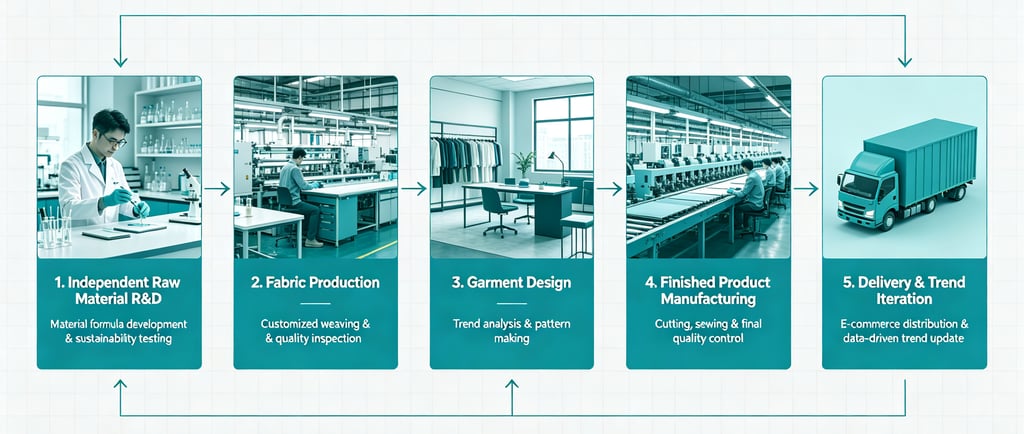
Most traditional factories purchase ready-made fabrics from distributors, leading to lagging new product development and marked-up material costs. NAA owns a professional fabric R&D team capable of customizing exclusive trendy textured fabrics, eco-friendly recycled materials and heavyweight vintage denim. It realizes rapid new fabric iteration based on global trend updates, eliminates middleman markup links, and repurposes factory leftover materials for upcycled eco-friendly designs, achieving dual cost control.
5.3 Standardized Craftsmanship + Flexible MOQ Customization Covers All Client Groups
NAA unifies the technical standards of washing, printing and embroidery, with dedicated quality inspectors for each production line to eliminate uneven workmanship of generic bulk products. Meanwhile, it supports zero-minimum-order customization, covering small-batch designer collaboration pieces and large-scale cross-border bulk orders. The model serves clients of all sizes, from niche high-end custom brands to mass-market wholesale sellers.
5.4 Full-Loop Closed-Loop Production Ensures Stable & Risk-Resistant Supply
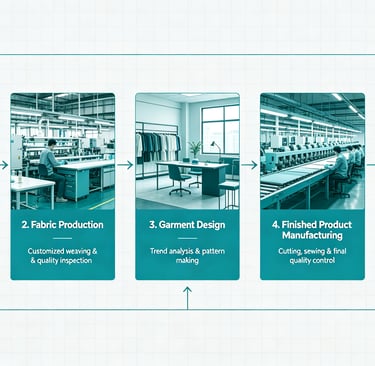
Complete industrial loop: Independent fabric weaving & R&D → Cutting & sewing → Special washing & printing processing → Custom hardware accessory matching → Finished product warehousing & global shipping → Continuous trend iteration. The entire supply chain is self-controlled without reliance on external outsourced factories, ensuring stable raw material supply and controllable delivery cycles. The team tracks overseas environmental policies and fashion trends in real time, iterating vintage hand distressing, botanical dyeing and eco-friendly craftsmanship to launch market-aligned new styles steadily.
6. Research Summary & Industrial Outlook
6.1 Core Research Conclusions
1. American streetwear has formed a mature eight-category product system, covering four mainstream trend tracks, serving as the core best-selling product in the global urban fashion market;
2. Product premium capability and market competitiveness are jointly determined by fabrics, exclusive craftsmanship and customized accessories. The unification of the three dimensions is the key distinction between high-end customized streetwear and generic fast fashion bulk goods;
3. The four trend styles can be developed independently or in hybrid combinations: vintage styles deliver stable long-term profits, tactical and eco-friendly styles create cross-border differentiation advantages, and energetic street styles sustain core market traffic;
4. Traditional fragmented supply chains have inherent flaws in sourcing, cost, customization and quality control. NAA’s integrated closed-loop model comprehensively solves procurement, customization, compliance and new product iteration pain points, with unique market adaptability.
6.2 Industrial Development Outlook
Future competition in the streetwear industry will shift from superficial style iteration to comprehensive supply chain strength competition. Independent fabric R&D capability, flexible small-batch production capacity, environmental compliance qualification and full-category supporting services will become core industrial entry barriers. NAA will continue to focus on the American streetwear track, iterate vintage handmade distressing, botanical dyeing and recycled fabric technologies, and improve the full-link supporting system from garments to accessories. The alliance is committed to promoting industrial upgrading from low-end fast fashion bulk production to high-texture, culture-driven and low-carbon refined streetwear manufacturing, providing long-term stable and differentiated supply chain solutions for cross-border traders and independent fashion brands.
References
[1] Black Urban Subculture & the Iteration of American Streetwear Craftsmanship
[2] EU DPP Textile Carbon Footprint & Environmental Production Specifications
[3] Application Research of Tactical Fabrics & 3D Cutting in Urban Streetwear
[4] Standardization Guide for Vintage Denim Stone Washing & Hand Distressing Craftsmanship
[5] Practical Application of Recycled Sustainable Fabrics in Trendy Apparel